Optimal Timing for Storm Restorations
Storm restorations are most effective when performed promptly after a storm event to prevent further damage. The ideal timing depends on weather conditions, with early intervention reducing the risk of secondary issues such as mold, rot, and structural deterioration. Planning during dry seasons allows for safer and more efficient repairs, ensuring the integrity of the property is restored effectively.
Conducting inspections immediately after a storm helps identify damage early and prioritize repairs.
Performing restorations during dry, calm weather minimizes complications and expedites the process.
Late spring and summer often provide the best conditions for storm restorations due to favorable weather.
Preparing before storm season begins can lead to quicker response and mitigation.
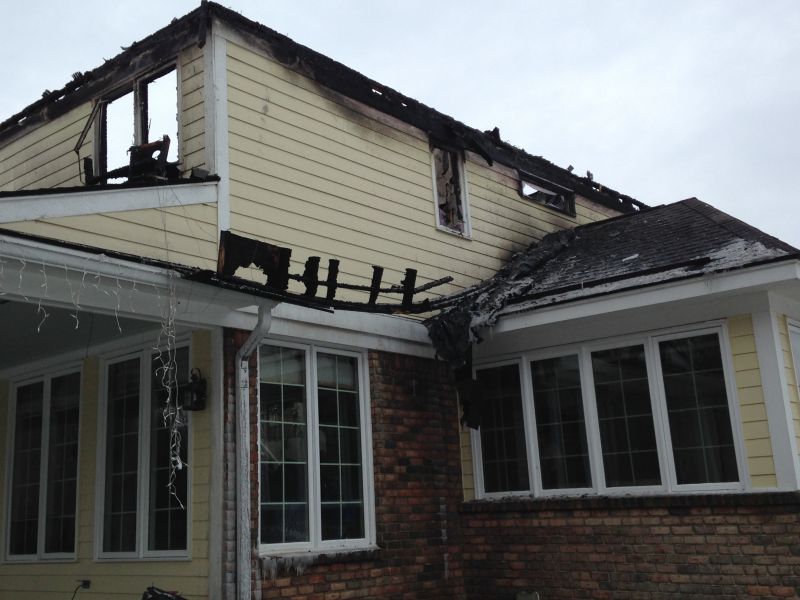
Visual evaluation of roof and exterior damage after a storm.
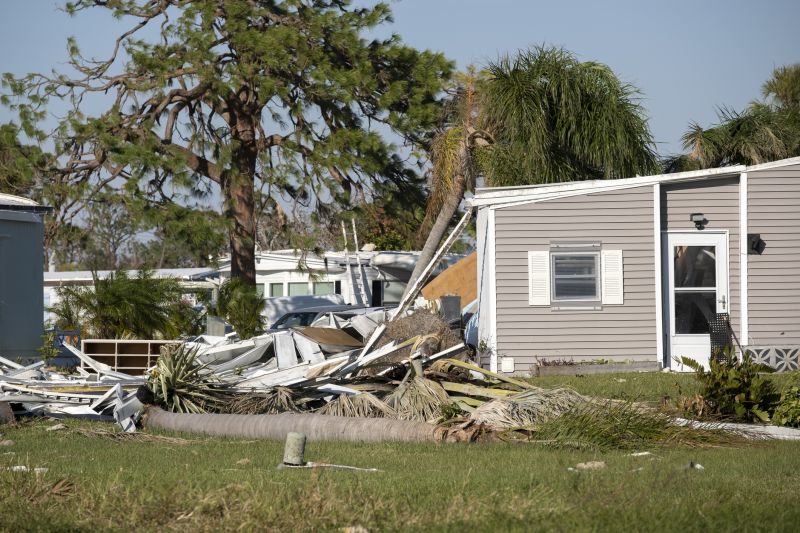
Temporary fixes to prevent further damage before full restoration.
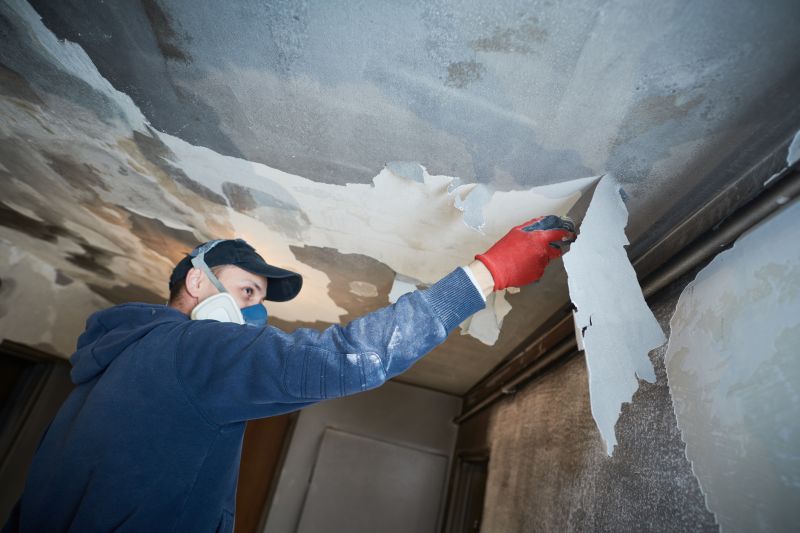
Workers restoring a roof after storm damage.

Ways to make Storm Restorations work in tight or awkward layouts.
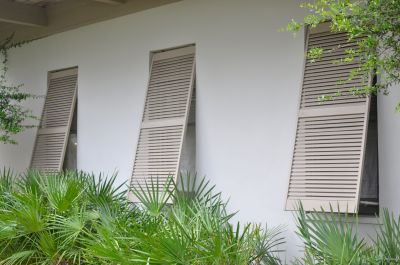
Popular materials for Storm Restorations and why they hold up over time.
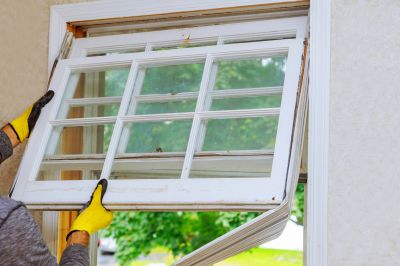
Simple add-ons that improve Storm Restorations without blowing the budget.
| Aspect | Details |
|---|---|
| Ideal Time Frame | Within days after storm events for maximum effectiveness. |
| Weather Conditions | Dry and calm weather preferred for safety and efficiency. |
| Seasonal Timing | Late spring through early fall offers optimal conditions. |
| Preparation Period | Pre-storm planning can reduce response time. |
| Impact of Delays | Postponing repairs can lead to increased damage and costs. |
Storm restorations involve repairing and restoring properties damaged by severe weather events. These repairs can include roof replacements, siding repairs, window replacements, and structural reinforcements. Prompt action minimizes secondary damage and helps maintain the property's value. Proper timing ensures that repairs are completed under favorable conditions, reducing delays and additional costs.
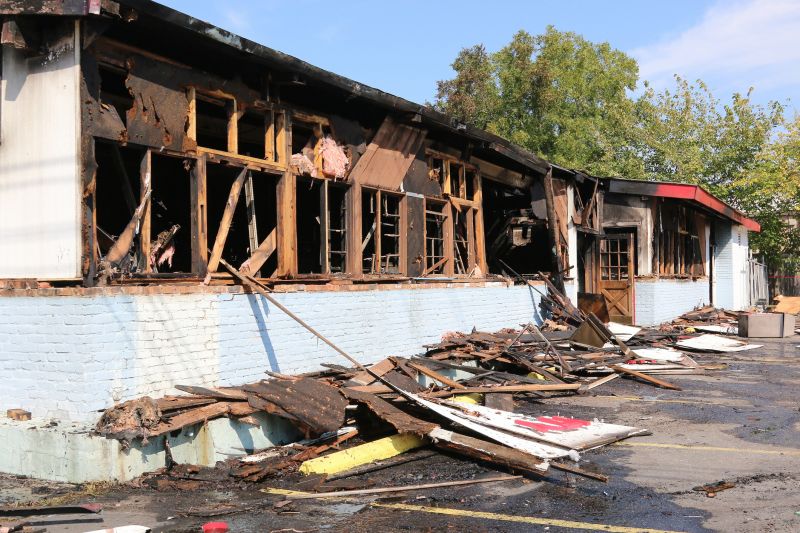
Property before storm damage occurs.
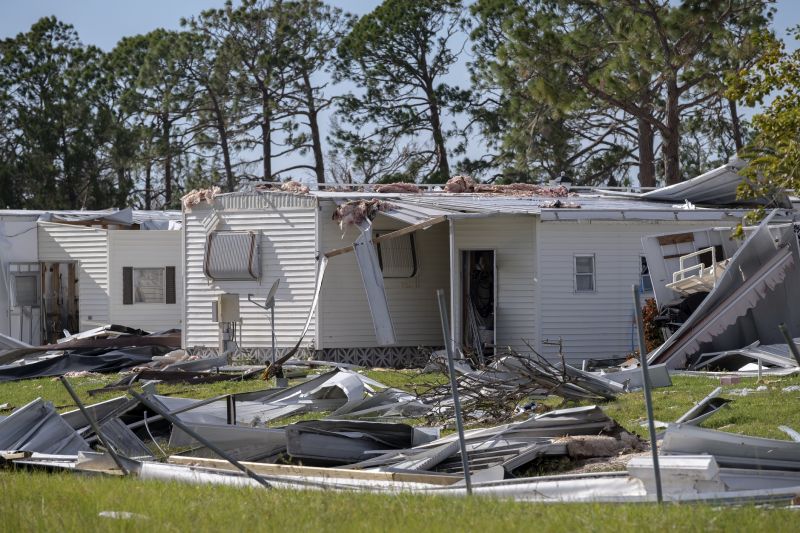
Severe weather impacting the property.

Active repair process underway.

Property fully restored after storm damage.
Timely storm restorations are essential to protect property and ensure safety. Recognizing the optimal window for repairs can significantly influence the quality and durability of the restoration work. Proper planning and quick response to storm damage can mitigate long-term costs and preserve the structural integrity of the property.
Fill out the contact form to discuss storm restoration options and schedule assessments.